

Written by Acorn Sales Company, manufacturing stamps and seals since 1964 · Reviewed by Holly R, VP of Sales and Marketing at Acorn Sales, against the notary seal, stamp, record book, kit and supply range (279 published SKUs, 171 sampled) on 22 September 2026 · Updated 22 September 2026 · Product information, not legal advice; record keeping rules are set by your commissioning authority.
Regulatory sources, each fetched and read for this page in September 2026: A.R.S. 41-319, Arizona State Legislature, https://www.azleg.gov/ars/41/00319.htm · Notary Public Handbook, California Secretary of State, https://notary.cdn.sos.ca.gov/forms/notary-handbook-current.pdf · Notary Handbook, Colorado Secretary of State, https://www.sos.state.co.us/pubs/notary/files/notaryHandbook.pdf · D.C. Code 1-1231.18, Council of the District of Columbia, https://code.dccouncil.gov/us/dc/council/code/sections/1-1231.18 · Florida Statutes Chapter 117, Florida Legislature, http://www.leg.state.fl.us/statutes/index.cfm?App_mode=Display_Statute&URL=0100-0199/0117/0117.html · Notary Public Handbook, Idaho Secretary of State, https://archive.sos.idaho.gov/notary/idaho_notary_handbook.pdf · Notary FAQ, Michigan Department of State, https://www.michigan.gov/sos/faqs/office-of-the-great-seal/notary · Minnesota Statutes Chapter 358, Minnesota Office of the Revisor of Statutes, https://www.revisor.mn.gov/statutes/cite/358/full · Notary Handbook, Missouri Secretary of State, https://www.sos.mo.gov/CMSImages/Business/Notary/NotaryHandbook.pdf · NRS Chapter 240, Nevada Legislature, https://www.leg.state.nv.us/nrs/nrs-240.html · Notary Public Manual, New Jersey Department of the Treasury, https://www.nj.gov/treasury/revenue/pdf/NotaryPublicManual.pdf · N.D. Century Code Chapter 44-06.1, North Dakota Legislative Branch, https://ndlegis.gov/cencode/t44c06-1.pdf · ORS Chapter 194, Oregon Legislative Assembly, https://www.oregonlegislature.gov/bills_laws/ors/ors194.html · Notary Public Equipment, Pennsylvania Department of State, https://www.pa.gov/agencies/dos/resources/notaries-resources-and-information/notary-public-equipment · Texas Government Code Chapter 406, Texas Statutes, https://statutes.capitol.texas.gov/Docs/GV/htm/GV.406.htm · Code of Virginia 47.1-14, Virginia Law Library, https://law.lis.virginia.gov/vacode/title47.1/chapter2/section47.1-14/ · A Handbook for Virginia Notaries Public, Virginia Secretary of the Commonwealth, https://www.commonwealth.virginia.gov/media/governorvirginiagov/secretary-of-the-commonwealth/pdf/notary/Notary-Handbook_Final_7.6.2026.pdf · RCW 42.45.180, Washington State Legislature, https://app.leg.wa.gov/RCW/default.aspx?cite=42.45.180.
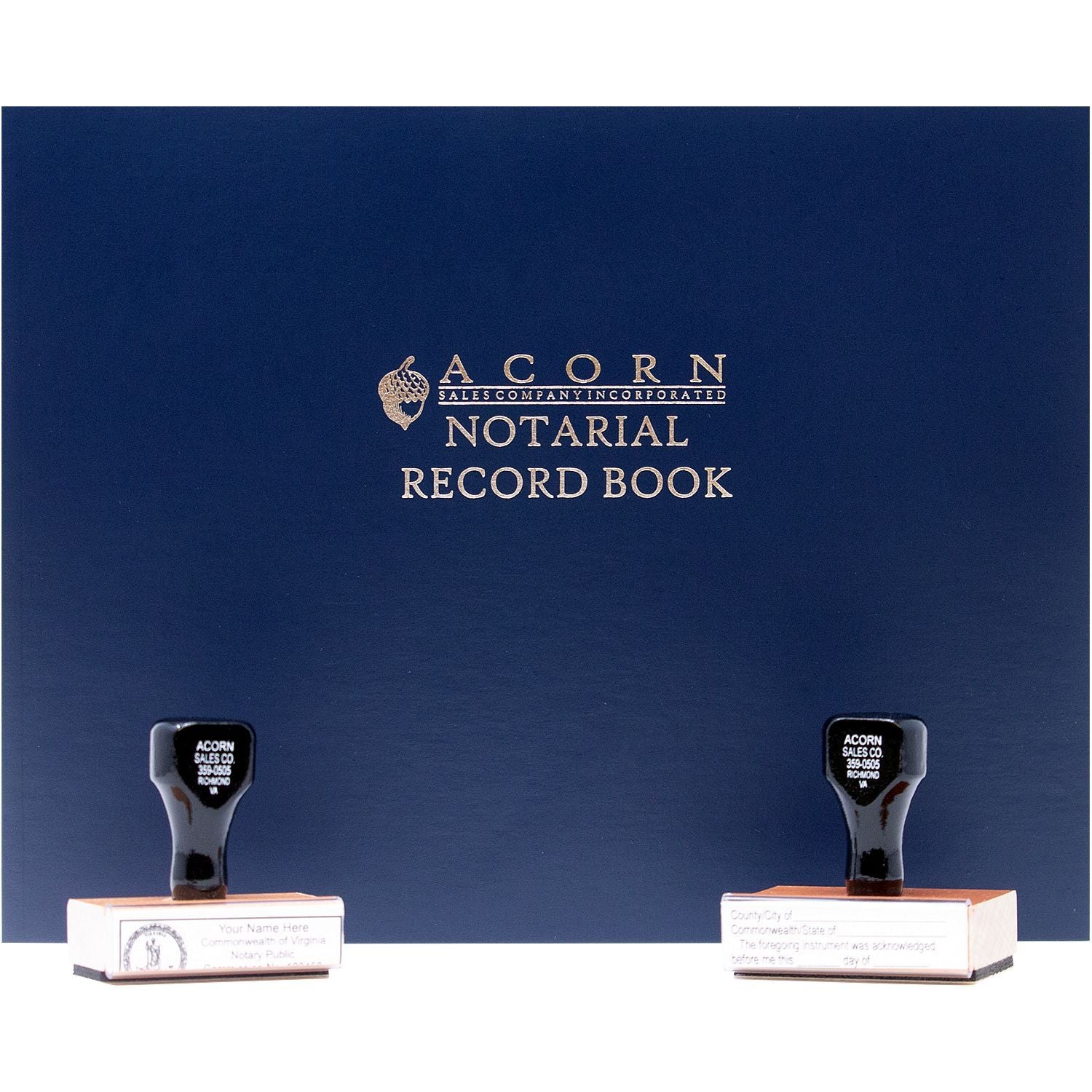
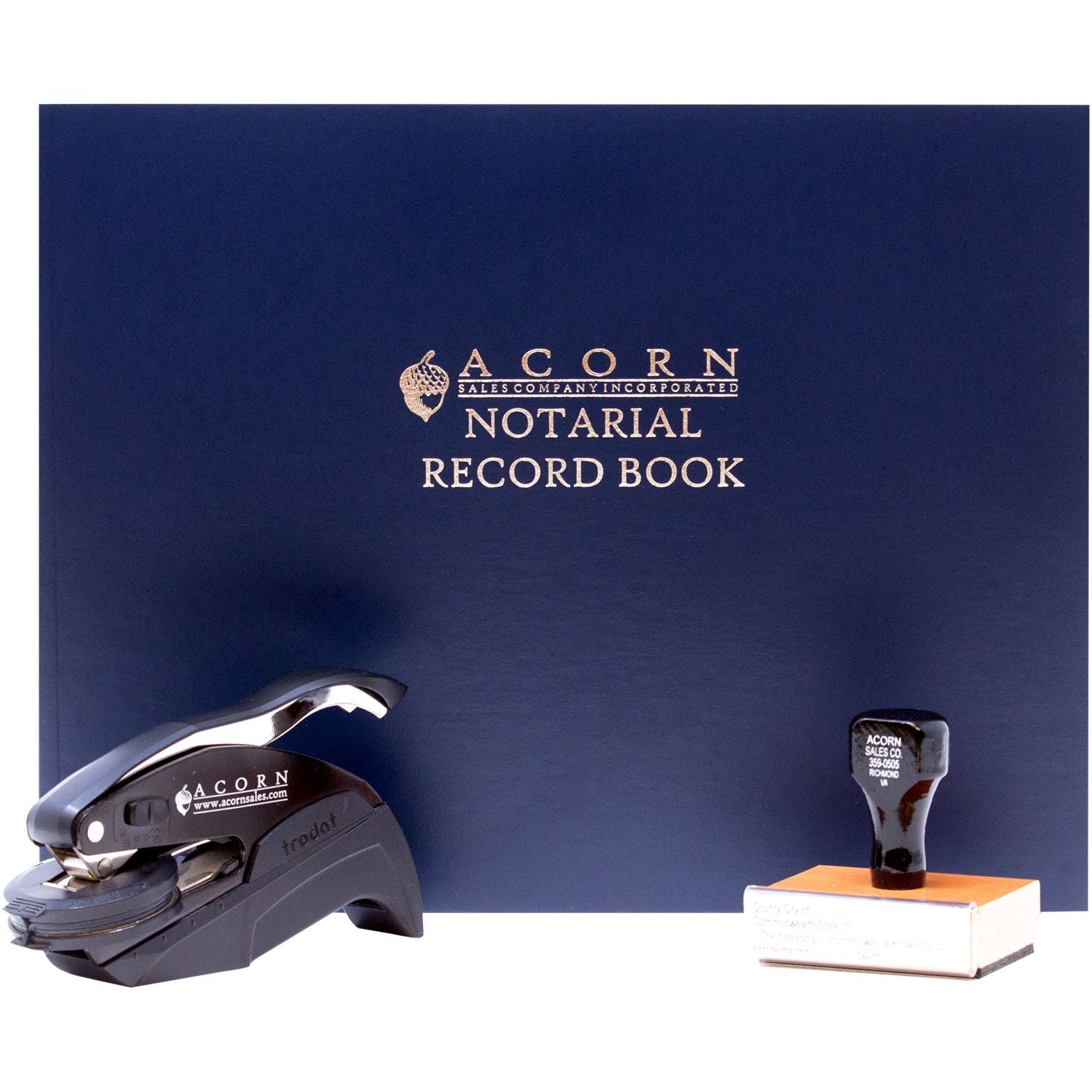
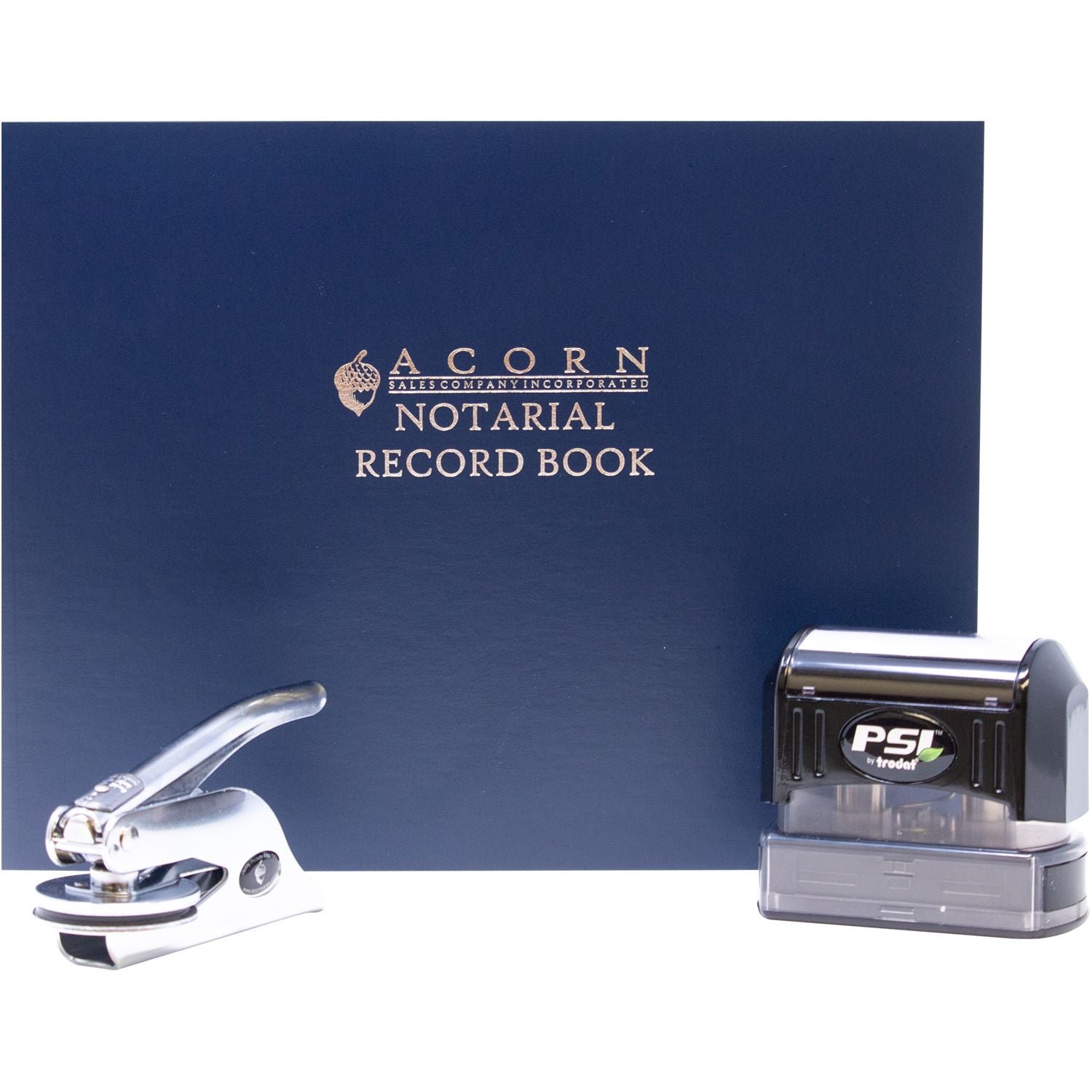
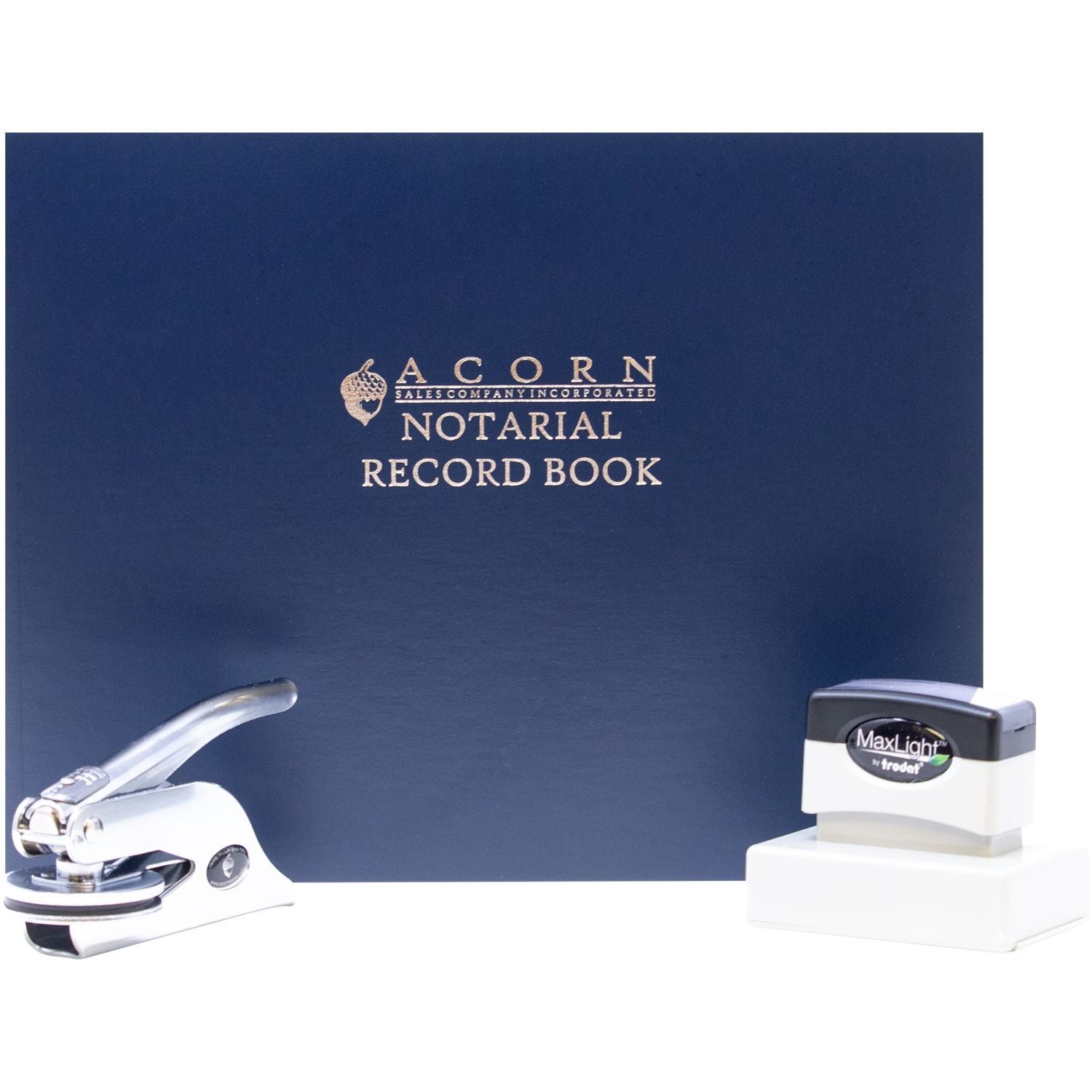
A notary journal, or record book, is the running log of every notarial act a notary performs. Where one is required it is the only evidence outside the document itself that the act happened as the notary says it did. Acorn sells the book: an Official Notary Public Record Book at $12.95, a dark blue soft bound book with over 50 pages and space for more than 250 entries. The requirement differs by state. The sources here are the statute or commissioning authority page for 16 states and the District of Columbia and found 12 jurisdictions that require a record of notarial acts generally, three that require one only for remote or online acts, and two whose own authority says in writing that no journal is required. That is not a 50 state survey and does not pretend to be. Nothing here is legal advice. Acorn also publishes a state by state guide to notary stamp requirements and a notary supplies hub.What these are for
Three readers land here. A new notary who has found the record keeping chapter in the state handbook. A working notary, usually a loan signing agent or title clerk, who fills a page a day and wants to know how long finished books are kept and who they go to. And an employer working out whether every notary on staff needs a separate book. The catalog answers only part of that. It sells one record book at $12.95, a Fingerprint Pad at $9.95 and a Notary Pocket Seal Storage Box at $4.95, and puts a record book into every Deluxe and Supreme package. It cannot tell you which of those your state expects, because statute and the commissioning authority set that.



The ranges we stock
What an entry in a journal is built from
The statutes that require a journal describe the same entry with small variations. Oregon lists the date and time of the act, a description of the record and type of notarial act, the full name and contact address of each individual, the method of identity verification, credential details, each signature, and any fee charged (ORS 194.300). The District of Columbia lists the same fields (D.C. Code 1-1231.18). Colorado adds the name, address and certification number of any interpreter used (C.R.S. 24-21-519). Missouri adds the location if the act was not performed at the notary regular workplace (RSMo 486.705). Texas is the outlier: its record section also asks for the name and address of a grantee, and for a land instrument the original grantee and the location of the land (Texas Government Code 406.014). Virginia lists the same core plus the fee charged (Code of Virginia 47.1-14). The common core is date and time, what the act was, what the document was, who the signer was, how they proved it, what it cost, and in most of these states the signer signature.
The states we confirmed require a record of notarial acts
Twelve jurisdictions, each read at its own statute or commissioning authority page: Arizona (A.R.S. 41-319, a paper journal for acts on tangible records), California (Government Code 8206, one active sequential journal at a time), Colorado (C.R.S. 24-21-519), the District of Columbia (D.C. Code 1-1231.18), Missouri (RSMo 486.700 and 486.705), Nevada (NRS 240.120), New Jersey (the Notary Public Manual from the Department of the Treasury), Oregon (ORS 194.300), Pennsylvania (the Department of State points to 4 Pa. Code 167.34), Texas (Government Code 406.014), Virginia (Code of Virginia 47.1-14) and Washington (RCW 42.45.180, which exempts attorneys licensed there who document through their practice). How we counted: one jurisdiction per authority page or statute actually fetched, counted only where the text itself says a record or journal is kept, never where a handbook merely recommends one. We did not fetch the other 34 states, so a state missing here means we did not read it, not that it has no rule.
Where the requirement is narrower, or absent
Three of the states we read require a journal only for a subset of acts. Florida Chapter 117 has no journal provision for a traditional notary, while section 117.245 requires an online notary to keep an electronic journal for at least ten years. Minnesota puts the obligation at section 358.645, subdivision 4, and applies it to a remote online notary public. North Dakota section 44-06.1-16.1 applies it to acts performed for a remotely located individual. Two states say plainly that no journal is required. The Michigan Department of State writes that the law does not require a notary to keep a journal or a specific type of record. The Idaho Secretary of State handbook calls a journal a good idea and the best insurance a notary can have, which is advice rather than a duty. In Michigan and Idaho the $12.95 book is a professional habit. In the twelve states above it is part of the job.
Thumbprints, and why Acorn stocks a fingerprint pad
Of every authority page and statute we fetched, California is the only one that requires a thumbprint in the journal. The California Secretary of State handbook, citing Government Code 8206, applies it to deeds, quitclaim deeds, deeds of trust, other documents affecting real property and powers of attorney, and notes that another finger is used if the right thumb is unavailable. We could not confirm a thumbprint requirement anywhere else. Arizona, Colorado, Missouri, Nevada, Oregon, Texas, Washington, New Jersey, Pennsylvania, Virginia and the District of Columbia all describe their entries without one. Missouri allows an electronic journal to capture a recognized biometric identifier, which is permission rather than a requirement. Acorn sells a Fingerprint Pad at $9.95, described in the catalog as an inkless pad giving a clear impression without smudging, drying immediately without leaving ink on the fingers, and not drying out if left open. The listing names no state.
Electronic journals, and where they are recognized
An electronic journal is recognized in most of the states we read, though the scope varies. Colorado, Oregon, Pennsylvania, Washington, New Jersey, North Dakota and the District of Columbia all allow a journal on a tangible medium or in a permanent, tamper evident electronic format complying with rules issued by the commissioning authority. Texas Government Code 406.014 allows the required records to be kept electronically in a computer or other storage device. Arizona splits it: a paper journal for tangible records, one or more electronic journals for electronic records. Washington limits a notary to one tangible journal at a time while allowing an electronic one alongside it. Florida and Minnesota require it of online and remote online notaries. Acorn sells no electronic journal and no journal software. It does sell the Notary eSeal Electronic Image Stamp of Seal at $20.00, which is the seal image and not the record.
The book Acorn sells, and what the catalog does not publish
The Official Notary Public Record Book is $12.95. The listing publishes four things: dark blue, soft bound, over 50 pages, space for more than 250 entries. It gives the reason for keeping one as being able to reference an event later or answer an audit. That is the whole published description. The sources here are the listing and the product record in full to check, and the catalog does not publish the page size, the trim dimensions, the column layout, entries per page, whether there is a thumbprint column, whether entries are pre numbered in sequence, the paper weight, or any binding detail beyond the words soft bound. It makes no claim about a lock, a tamper evident feature or acid free paper. If your state expects a sequential journal with a thumbprint column, as California does, the catalog does not say whether this book matches, and we will not guess on its behalf. Contact us if the internal layout decides your purchase.
Packages that already include a record book
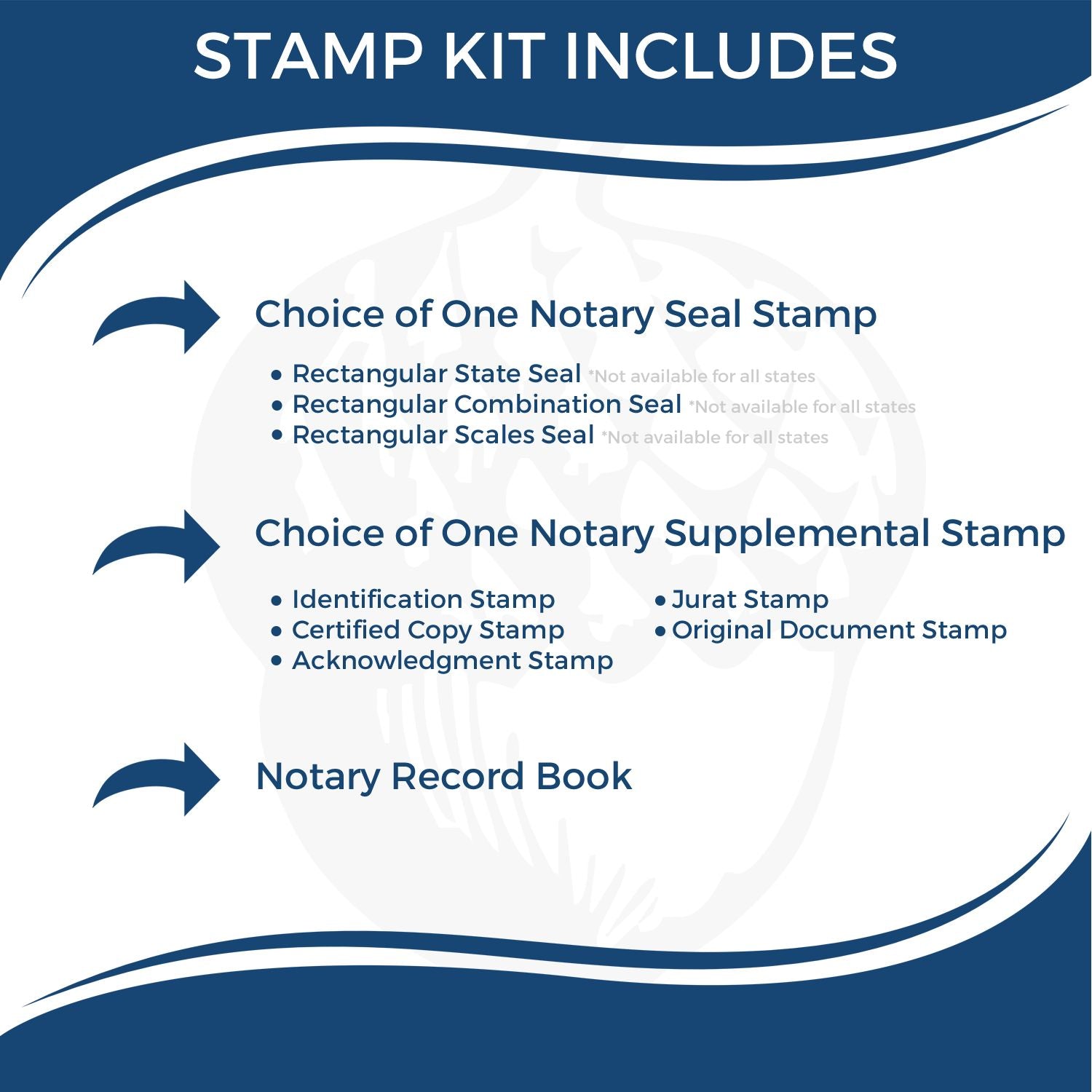
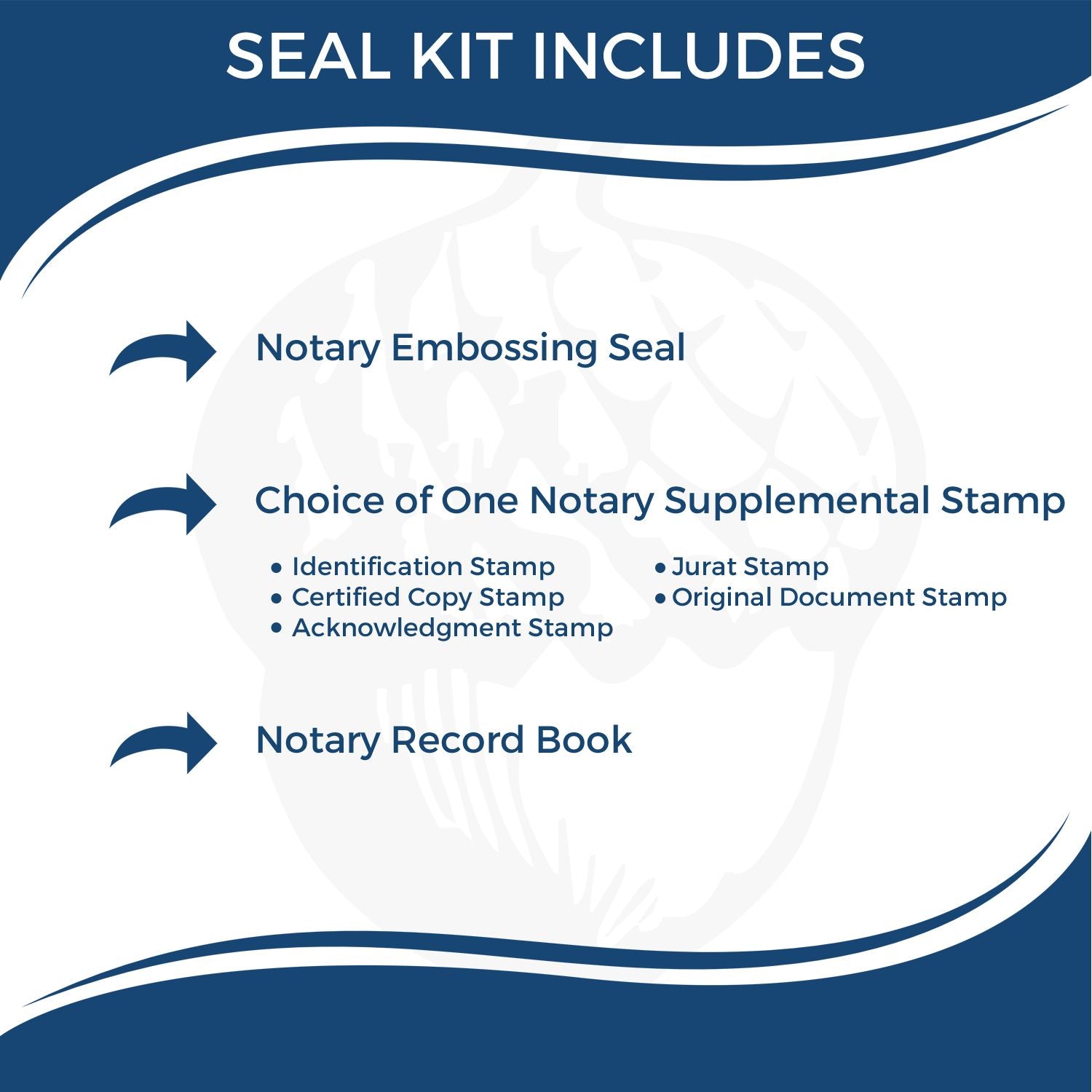
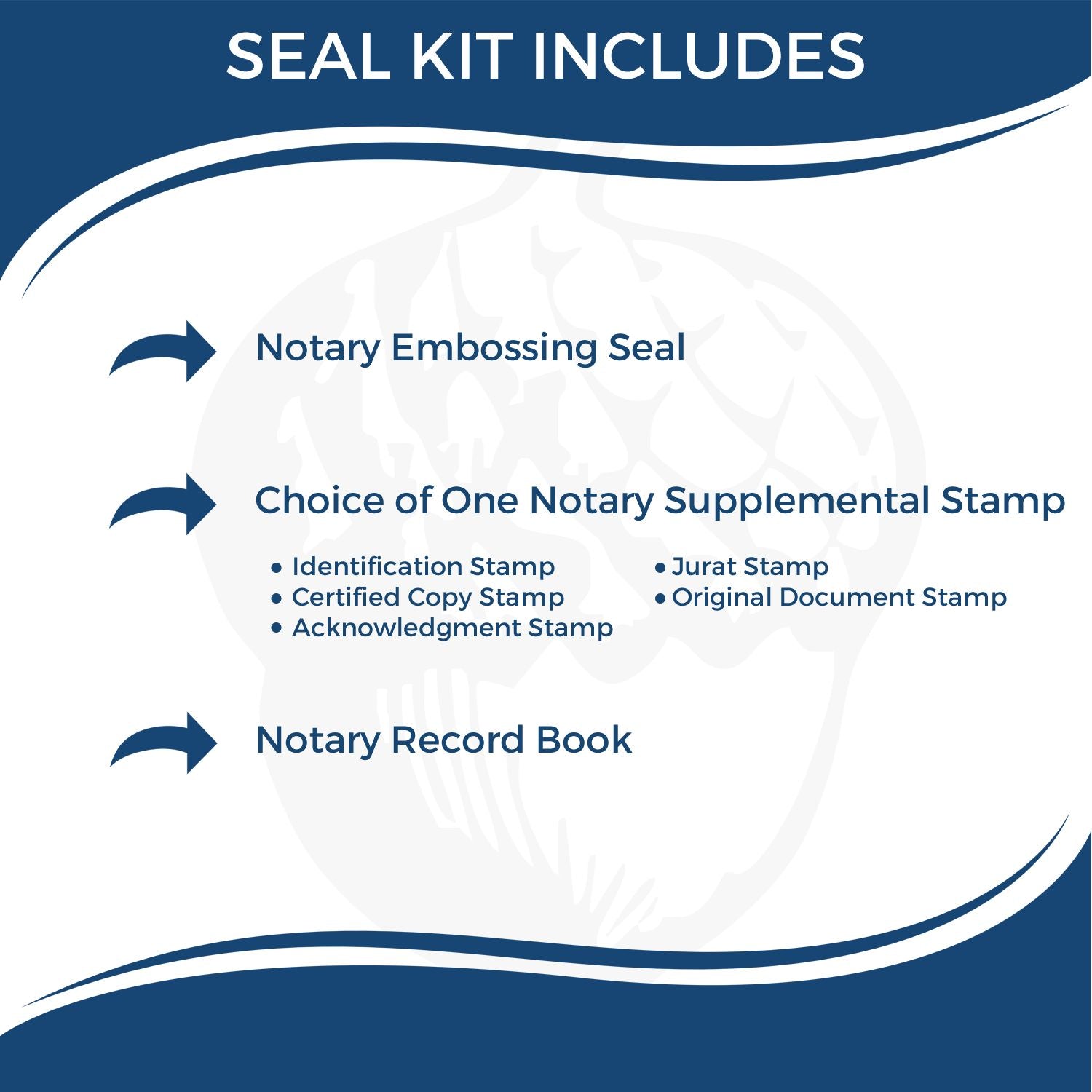
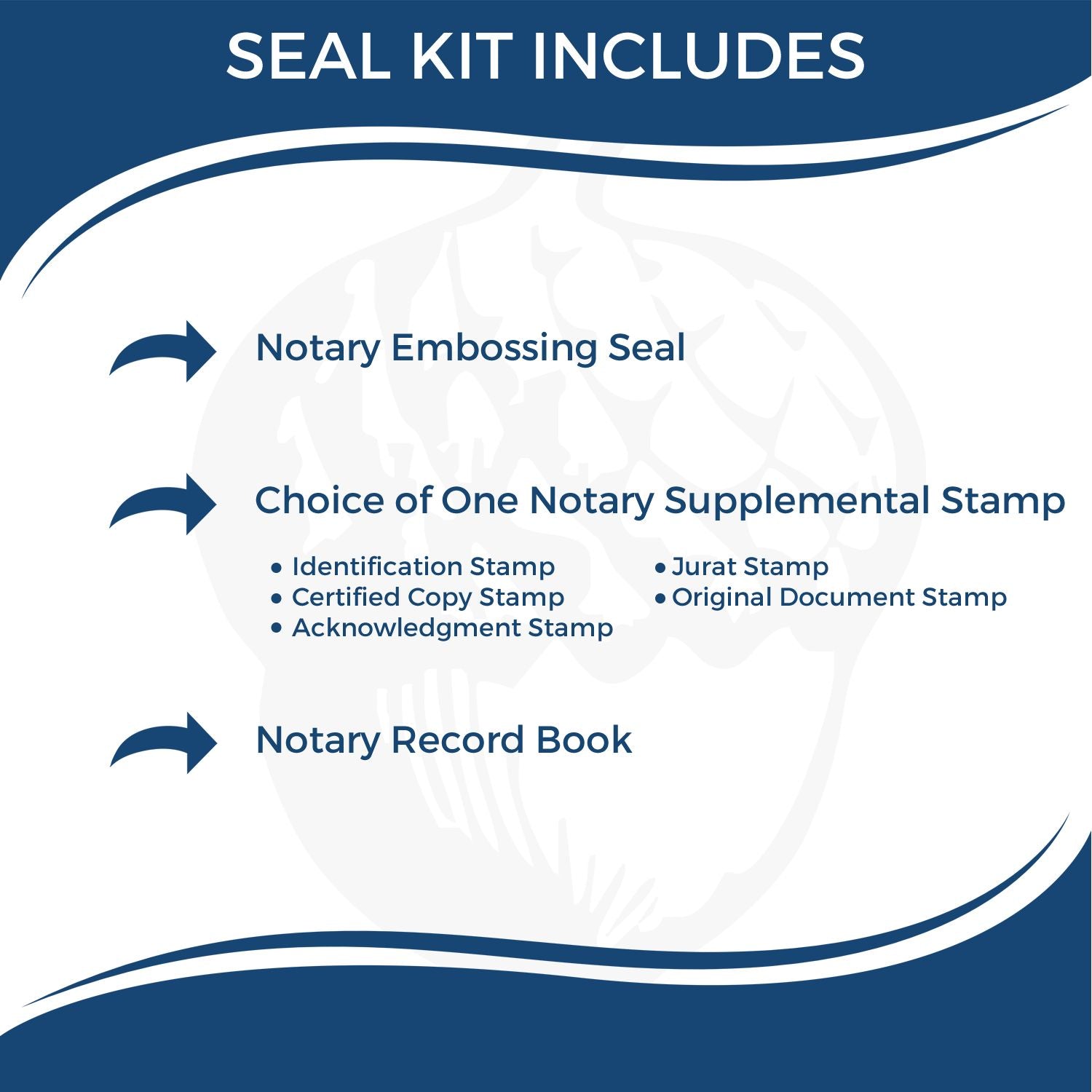
You rarely buy the book alone. Across the 171 product sample, every Deluxe and Supreme notary package lists a record book among its contents: 44 Deluxe and 62 Supreme listings, no exceptions. The cheapest is the Deluxe Notary Rectangular Stamp Package at $44.95: a rectangular notary stamp, a record book and one supplemental stamp, no embosser, no ink pad. The cheapest carrying an embossing seal too is the Deluxe Black Hybrid Seal Package with Hand Stamps at $54.95. Supreme packages add a vehicle decal and gold foil seals on top of the book: $104.95 for the Supreme Soft Seal Package with Hand Stamps, $162.95 for the Supreme Handheld Seal Package with PSI Stamps. Virginia notaries have a fifth option, the Quick Start Notary Combo at $99.00, pairing a two hour Virginia notary law and procedures class with a self inking state seal stamp and the same record book.
What happens to the journal when a commission ends
This is where the states diverge most. Among the ones we fetched: California Government Code 8209, as described in the Secretary of State handbook, has the notary deliver all notarial journals, records and papers to the county clerk where the oath was filed within 30 days. Texas has the county clerk obtain the record books when the office becomes vacant. Missouri section 486.795 has the journal delivered to the Secretary of State within 30 days. Oregon has the notary keep it ten years, with transmission to the Secretary of State on revocation. Washington sets ten years from the last entry with a duty to tell the department where it is. Colorado offers ten year retention with notice of location, an employer, or state archives. New Jersey sets ten years from the last act recorded. Nevada sets seven years after ceasing to be a notary. The District of Columbia has it transmitted to the Mayor. Acorn does not tell anyone to destroy a journal. The commissioning authority governs. The seal follows different rules, covered in how to dispose of an expired notary stamp.
Sizes and dimensions
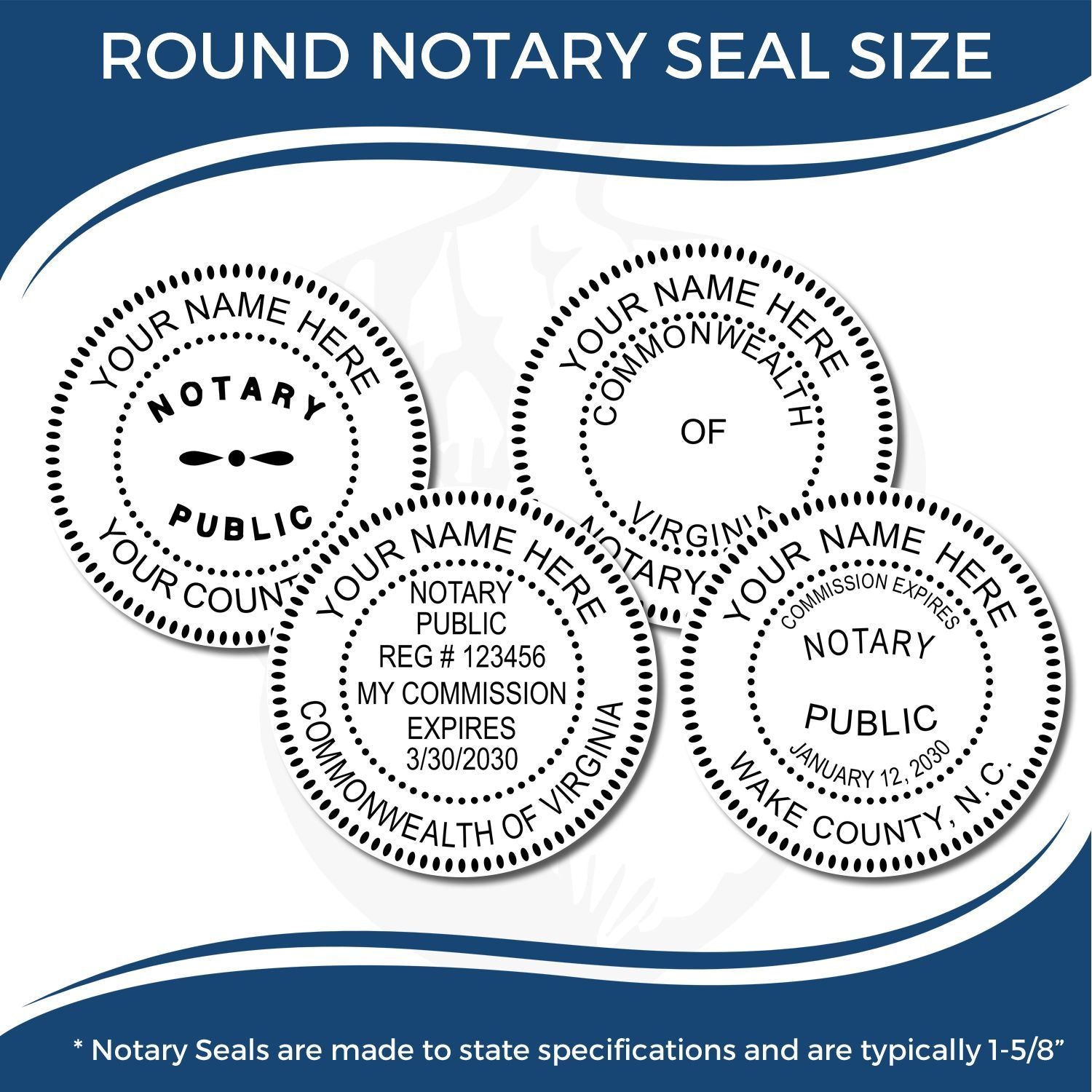
The only dimensional facts the catalog publishes about the book are extent, not size: over 50 pages and space for more than 250 entries. No trim size is given. Everything else in this range carries a published size. The notary seal impression is 1-5/8″ in diameter across the embossers, the round seal stamps and the impression inkers, so an inker bought to darken a raised impression matches the same circle. The Brass Engraved Sign on Tri-Block Holder at $24.95 is published at 2″ tall by 10″ wide, engraved into polished brass measuring.032″ and mounted on a stained walnut tri-block stand. The Notary Pocket Seal Storage Box at $4.95 has no published dimensions, but the listing is explicit about fit: it holds a handheld or soft seal embosser and cannot be used with a desk model. It protects the seal, not the book.
How many impressions you get
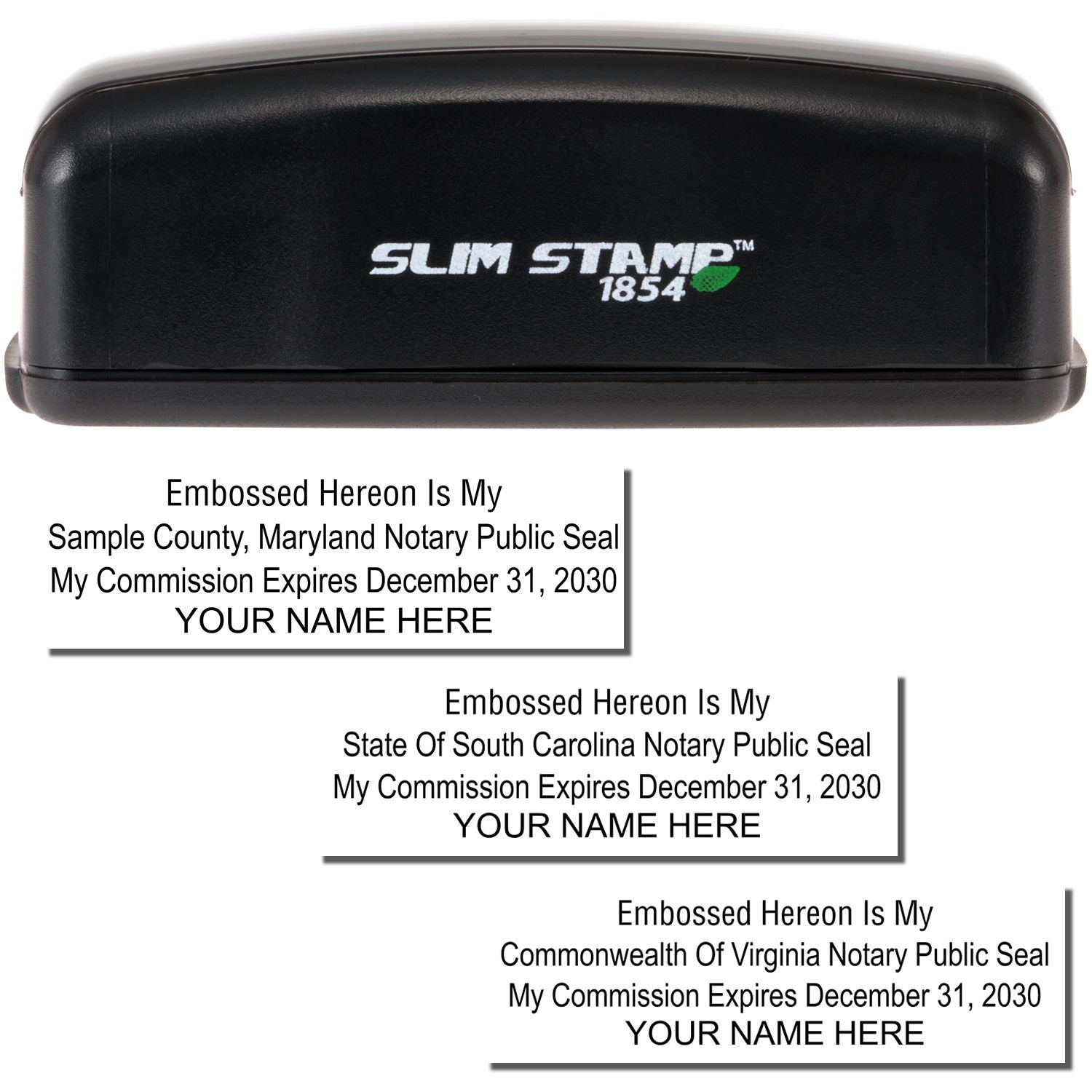
A record book has no consumable and no impression count, so the catalog publishes none for it. The number that matters there is 250 entries. The inked products do publish counts, and they vary by stamp family rather than by wording. Self inking notary stamps are listed at up to 5,000 impressions before re inking. Slim pre inked stamps are listed at up to 25,000 impressions and PSI pre inked stamps at up to 15,000. MaxLight pre inked stamps are listed at up to 20,000 impressions on most listings, though some state 15,000, so read the product page rather than assuming the family figure. The Fingerprint Pad publishes no impression count. Its claim is the opposite, that it will not dry out if left open, which is the property that matters for a pad used twice a week for years.
Ink and colors
Ink color is where the book and the stamps part company. The book is written in by hand and the catalog says nothing about what to write with. The stamps do: self inking notary stamps are offered in 11 ink colors and the pre inked families, PSI, Slim and MaxLight, in 5 ink colors. Ink color for a notary seal stamp is often set by state rule, which belongs to the state requirements guide. Two inked items serve record keeping directly. The Notary Seal Impression Inker at $15.95 and the Slim Impression Inker at $19.95 are blank stamps carrying no text, pressed over a raised embossed impression to lay a black 1-5/8″ circle into it so the seal photocopies and scans. An embossed impression that will not reproduce is no use in a file. The Fingerprint Pad at $9.95 is the third, and it is inkless.
What you can customize
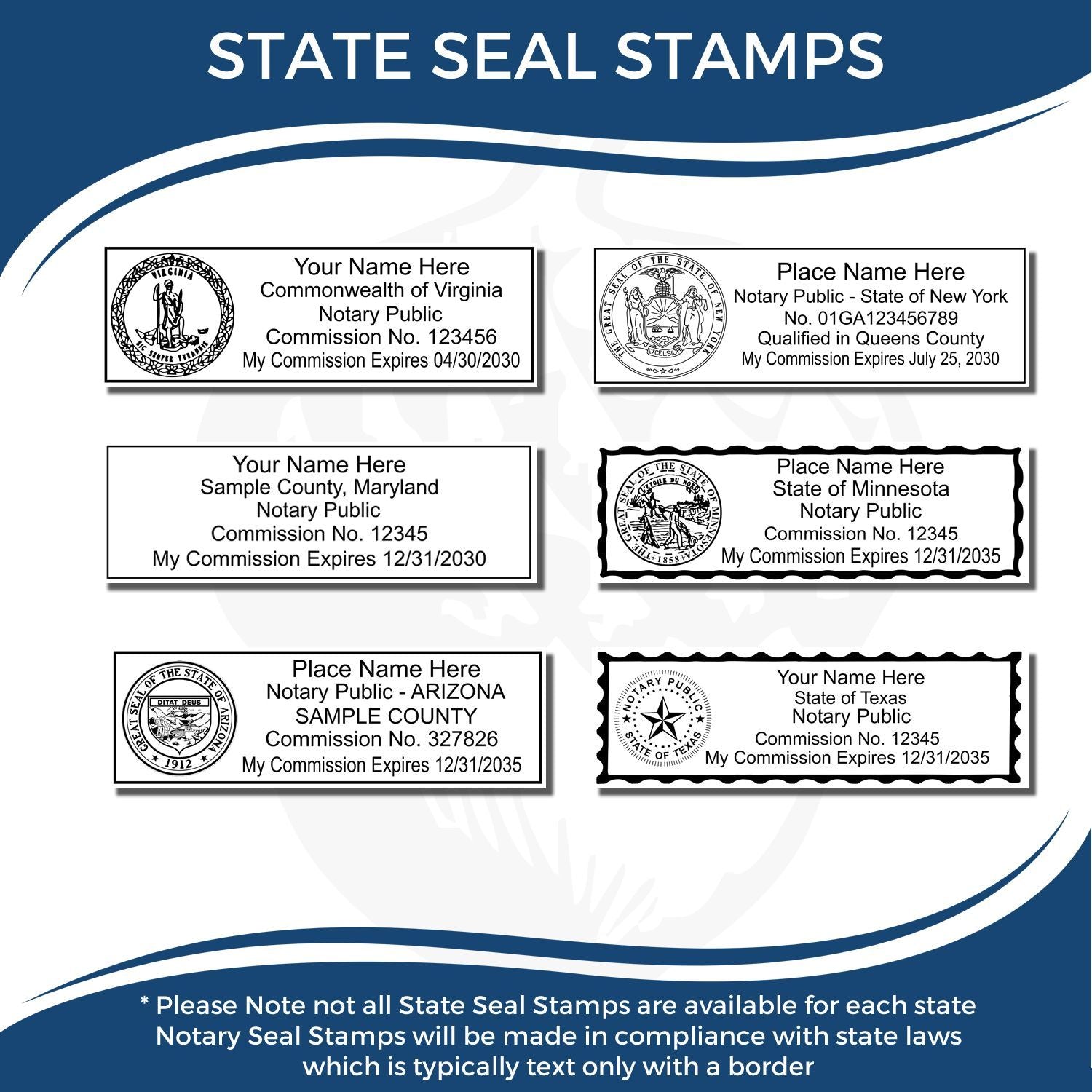
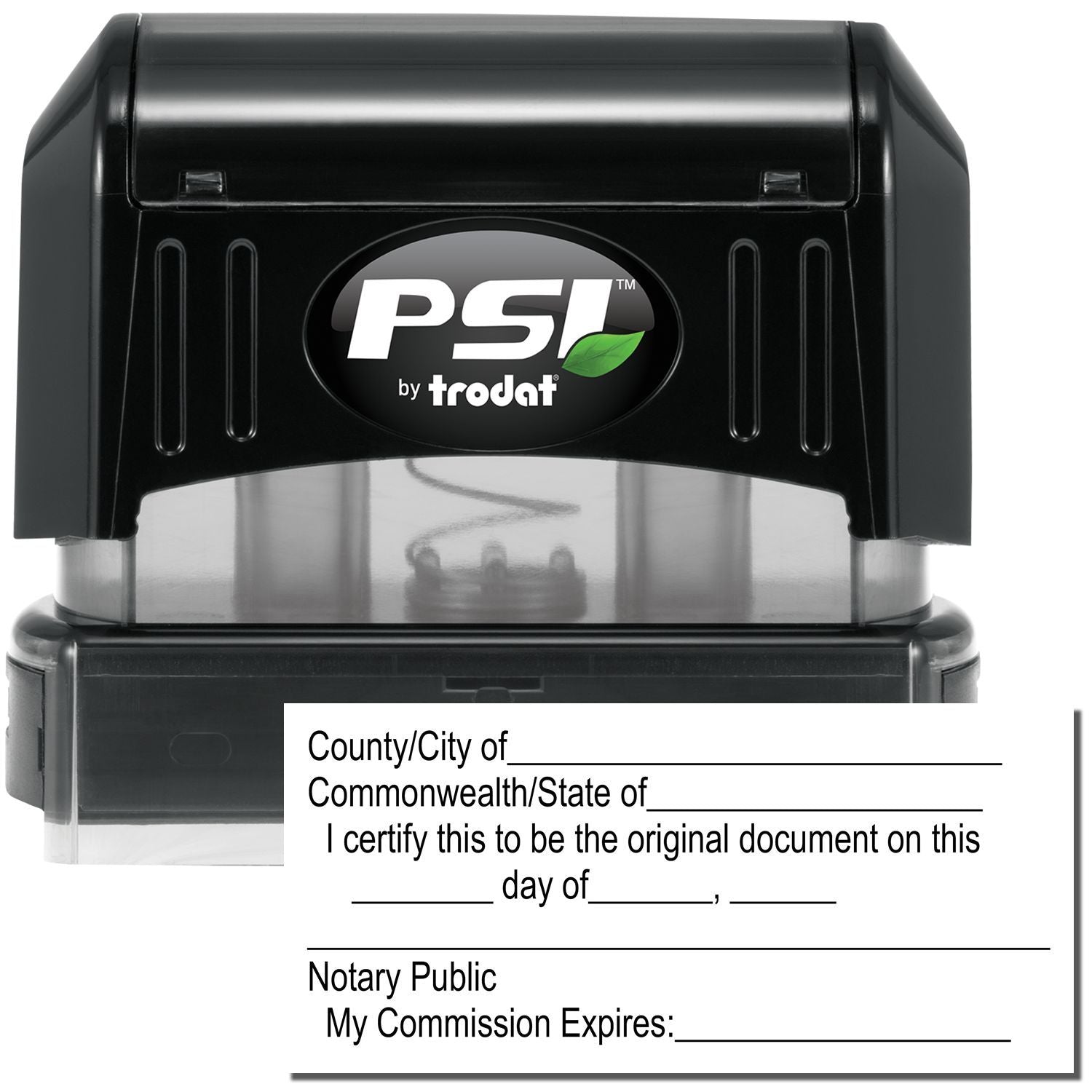
The record book is not a customized product. There is no name imprint, no commission number, no state line and no choice of layout published for it. The same dark blue soft bound book at $12.95 ships to every state. Almost everything else in the range is the opposite. The seal stamps and embossing seals are engraved with the notary name, commission number and expiration as the state prescribes, and the listings describe the stamps as made to meet your state specifications. Supplemental stamps are chosen rather than customized: the Deluxe and Supreme packages offer acknowledgment, jurat, certified copy, identification and original document wording, which is the same set of acts a journal entry names in its type of act field. A Regular Name and Expiration Stamp and a Regular Certified Copy Stamp are $11.95 each. For wording that echoes how your state handbook names an act, contact us before ordering.
The cheapest thing in the range is the only one that outlives the commission
Run the money the other way. The expensive packages in this range are built around an embosser, a set of stamps and a decal, and every one of those is dead the day the commission expires. The seal is retired. The stamps are scrap. The one item in the box with a life afterward is the $12.95 record book, because in most of the states we read the finished journal is the thing with a retention period attached: ten years in Oregon, Washington, Colorado and New Jersey, seven years after ceasing to be a notary in Nevada, delivery to a county clerk in California and Texas, to the Secretary of State in Missouri, to the Mayor in the District of Columbia. The notary buys the expensive object and keeps the cheap one. It is also the only item in the range that gets more valuable as it fills up, which is the argument for treating a half finished book as something to protect. Acorn has no view on how long you keep it, and would be wrong to have one.




Ordering, proofs and delivery
Ordering the book alone is the simple case. The Official Notary Public Record Book at $12.95 is a single stock item with no options, no artwork to approve and no proof to sign off. That is unlike the rest of the range, where a stamp or seal is engraved to your commission details and the packages ask you to choose stamp wording and ink color. For a first commission a package is usually cheaper than the pieces: the Deluxe Notary Rectangular Stamp Package at $44.95 already carries the book, and the Deluxe Handheld Seal Package with PSI Stamps at $69.95 adds an embossing seal. Across the whole notary range Acorn publishes 279 products from $3.95 to $2,095.00 with a median of $74.95. If you are replacing only the book because the old one is full, order it by itself and keep the filled one.
Care and longevity
The house warranty is two years on embossing seals and six months on stamps, and the notary listings state it that way. The record book carries no published warranty term, which is what you would expect of a bound book with no mechanism. Care for a journal is custody, not maintenance. California is the most explicit of the states we read: the handbook, citing Government Code 8206, says the journal is kept in a locked and secured area under the direct and exclusive control of the notary, remains the exclusive property of the notary, and is not surrendered to an employer. Arizona draws the line differently, treating a journal that contains entries which are not public records as the property of the employer. Two states, opposite answers to the same question, which is the clearest argument for reading your own rule. For the seal beside the book, the Notary Pocket Seal Storage Box at $4.95 fits a handheld or soft embosser and not a desk model.
Products in this range
Browse the full range: Notary Public Stamps and Seals, Notary Public Embossing Seal Kits, Notary Public Inked Stamp Kits, Notary Public Stamp and Notary Public Seal Supplies.
Related guides
- Notary Supplies: Stamps, Seals, Journals and Kits
- How to Become a Notary Public: The Steps and the Supplies
- Remote Online Notarization and What It Means for Your Seal
- Notary Bonds and Errors and Omissions Insurance: What Each One Protects
- Notary Stamp Requirements by State
- Notary Supplies: Stamps, Seals, Journals and Kits
- How to Dispose of an Expired Notary Stamp
Frequently asked questions
Is a notary journal required in every state?
No. Of the 16 states and the District of Columbia we read for this page, 12 jurisdictions require a record of notarial acts generally, three require one only for remote or online acts, and two say in writing that no journal is required. That is not all 50 states, so the absence of your state here tells you nothing about it. The rule is set by your commissioning authority.
Which states did you confirm require a journal?
Arizona, California, Colorado, the District of Columbia, Missouri, Nevada, New Jersey, Oregon, Pennsylvania, Texas, Virginia and Washington, each read at its own statute or commissioning authority page. We counted a jurisdiction only where the authority text itself says a journal or record of notarial acts is kept, not where a handbook merely recommends one. Every source is listed at the foot of this page with its URL.
What does a journal entry usually contain?
Across the statutes we read the recurring fields are the date and time of the act, the type of act, a description of the document, the full name and address of the signer, how identity was established, the fee if any, and in most of these states the signer signature. Texas adds a grantee and the location of land, Colorado an interpreter, Missouri the location if the act was not at the regular workplace.
How much is a notary record book?
The Official Notary Public Record Book is $12.95. The catalog describes it as a dark blue soft bound book with over 50 pages and space for more than 250 entries. It is also included in every Deluxe and Supreme notary package in the range.
What size is the book, and how are the columns laid out?
The catalog does not publish either. The sources here are the listing and the product record: no trim size, no page dimensions, no column layout, no entries per page figure, no statement about a thumbprint column and no sequential numbering claim. The published facts are dark blue, soft bound, over 50 pages, more than 250 entries. We would rather say that than guess.
Does the record book have a thumbprint column?
The catalog does not say, so we do not know. The listing publishes nothing about the column layout. If your state expects a thumbprint in the journal, that is worth confirming before ordering rather than after.
Which states require a thumbprint in the journal?
California is the only state among those we fetched whose authority requires one. The Secretary of State handbook, citing Government Code 8206, applies it to deeds, quitclaim deeds, deeds of trust, other documents affecting real property and powers of attorney, and notes that another finger is used and the substitution recorded if the right thumb is unavailable. We could not confirm a thumbprint requirement in any other state we read.
Why does Acorn sell a fingerprint pad?
Because notaries in states with a thumbprint rule need a way to take a clean impression, and because loan signing and real estate work is where journal thumbprints appear. The Fingerprint Pad is $9.95 and the catalog describes it as inkless, giving a clear impression without smudging, drying immediately without leaving ink on the fingers, and not drying out if left open.
Can I keep my journal electronically?
In several of the states we read, yes. The usual phrase is that a journal may be kept on a tangible medium or in a permanent, tamper evident electronic format complying with the authority rules. Colorado, Oregon, Pennsylvania, Washington, New Jersey, North Dakota and the District of Columbia all use that language. Texas allows records kept electronically in a computer or other storage device. Arizona keeps paper for tangible records. Acorn sells the paper book and no software.
What happens to my journal when my commission ends?
It depends on your commissioning authority, and the answers genuinely differ. California directs delivery to the county clerk within 30 days. Texas has the county clerk obtain the record books when the office becomes vacant. Missouri directs delivery to the Secretary of State within 30 days. Oregon, Washington, Colorado and New Jersey set ten year retention. Nevada sets seven years. The District of Columbia directs it to the Mayor. We will not tell you to destroy anything. For the seal, see disposing of an expired notary stamp.
Is a record required in Virginia, where Acorn is?
Yes, according to the handbook published by the Virginia Secretary of the Commonwealth, which cites Code of Virginia 47.1-14 and lists date and time, type of act, description of the document, printed name and address of each principal, the identification used and the fee charged. It sets retention at least five years from the date of the transaction, and the Code text applies that period to nonelectronic acts performed on or after 1 July 2026.
Do I need one book per notary, or can an office share?
The statutes we read describe the journal as the record of the individual notary. California says it remains the exclusive property of the notary and is not surrendered to an employer. Arizona goes the other way for journals holding entries that are not public records, treating them as employer property. Two states, opposite answers, so read your own rule.
Which packages include a record book?
In the 171 product sample every Deluxe and Supreme notary package does, which is 44 Deluxe and 62 Supreme listings with no exceptions. The least expensive is the Deluxe Notary Rectangular Stamp Package at $44.95. The Deluxe Black Hybrid Seal Package with Hand Stamps at $54.95 is the cheapest that adds an embossing seal.
Is this page legal advice?
No. It is product information from a supplier, plus a reading of statutes and commissioning authority pages that we fetched and have listed with their URLs so you can check them yourself. Notary law changes, the sources below were read in September 2026, and we read 16 states and the District of Columbia, not all 50. Nothing here tells you what you are obliged to record. Your commissioning authority does that.








