
Acorn Sales Blog

Using Official North Carolina Seals
A North Carolina engineer's embosser seal identifies every document prepared by or under that engineer's supervision, so the device belongs to one licensee. What the seal signals to recipients, when it has to be applied, and what the design must show.
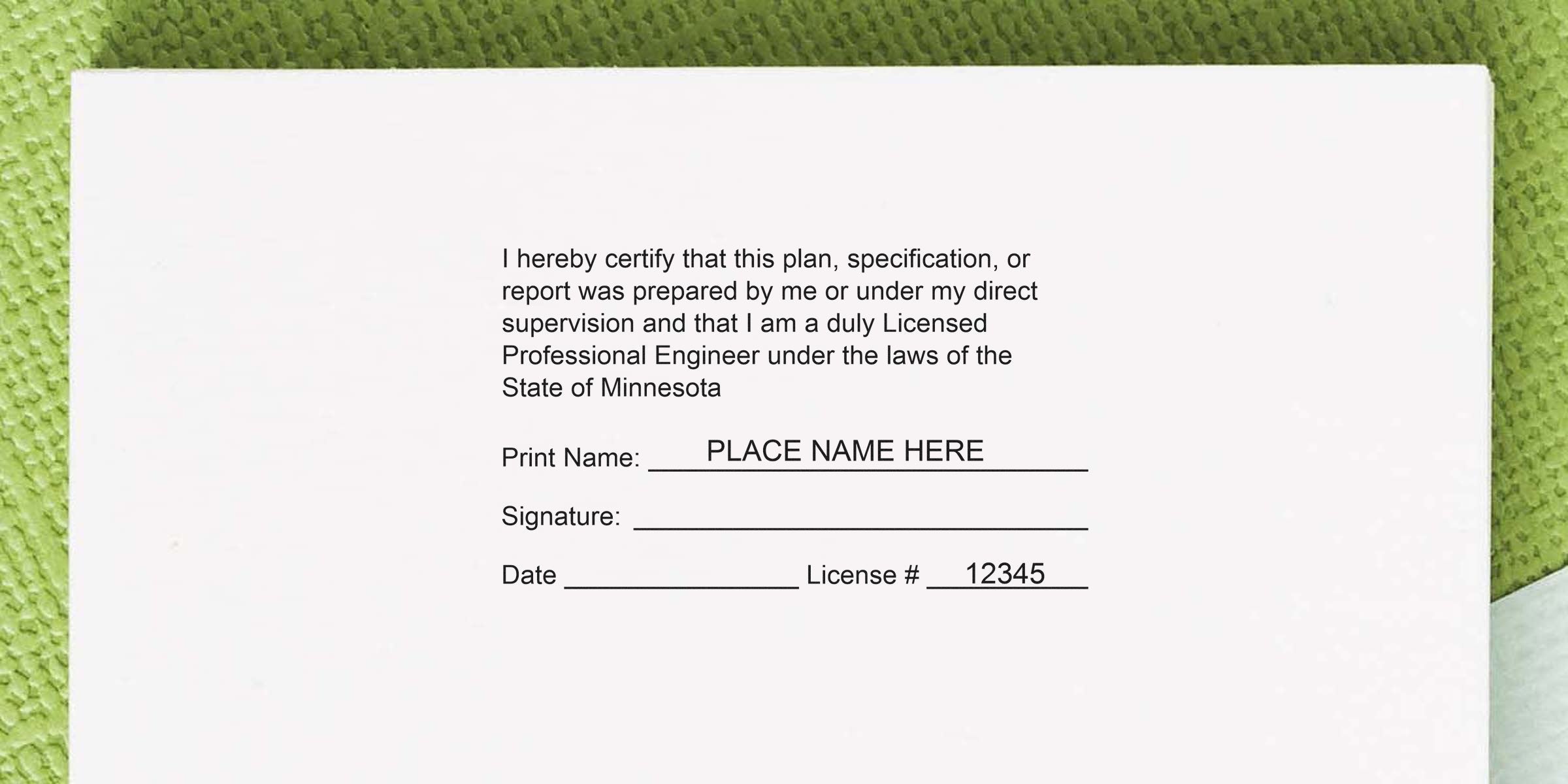
How to Get your Very Own Minnesota Engineering Plan Stamp
Before a Minnesota engineering plan stamp is even a question, you need four years at a college or university in an ABET accredited program. What the licensure path looks like from there, and what the state expects of the engineering seal itself.

New Hampshire PE Seal: 1-9/16 Inch Design and Rules
New Hampshire engineering rules never mention electronic or digital seals, naming only an impression seal or a rubber stamp. The fixed 1-9/16 inch outer and 15/16 inch inner dimensions, and the four years the seal rule had lapsed before its 2024 re-adoption.

Idaho PE Seal Rules: Design, Signing and Black Ink
No Idaho rule says what a PE seal looks like: the statute leaves the design to the board, and the board does not publish a diameter or an element list. Any supplier quoting an Idaho dimension took it from a template or a neighboring state.

Hawaii PE Seal Rules: Size, Wording and the Date Line
An engineer licensed in more than one branch in Hawaii needs a separate seal for each branch, and the date line beside it is the license expiration date rather than the signing date. The wording, the size, and the authentication block below the impression.

Guam PE Stamp Rules: Discipline, Expiration Date, Ink
Two fields on a Guam PE stamp appear on almost no mainland template: the specific discipline you are authorized in, and your registration expiration date or a blank space for it. Why the blank space is the durable choice, and what else Guam bars.

Georgia PE Seal Rules: Size, COA Block and Drafts
A Georgia sealed document carries firm data as well as a seal: the COA name, its authorization number and its expiration date. Why engraving that into a die is a mistake, the 1 1/2 inch outer circle, and where the firm block belongs.

How to Use Your Georgia Engineer Seal
A Georgia engineer seal is a 1-1/2 inch circle with a 1 inch inner circle, carrying your name, certificate number and the legend Registered Professional Engineer. Which formats the board allows, when the seal must go on, and how signing works with it.

Engineering Success in Kentucky: Ordering Your Kentucky Professional Engineer Seal Embosser
Kentucky sets specific rules for licensure and for the seal that goes with it, and the seal marks the scope of work you take responsibility for. What the state requires, how the seal is used, and what to settle before ordering.

Create an impression with Your Iowa Professional Engineer Embossing Seal
Licensure is a legal requirement for the engineer who takes primary responsibility for the work, whether they are an employee or a principal. What separates a graduate engineer from a licensed one, why some states restrict the title, and what the Iowa seal does.

Things You Need to Know for Colorado Engineer Embossing
A Colorado engineer seal has an outer circle of one and five eighths inches and an inner circle of fifteen sixteenths. The license number goes at the center, and rubber stamp, computer generated and crimp type devices are all permitted.
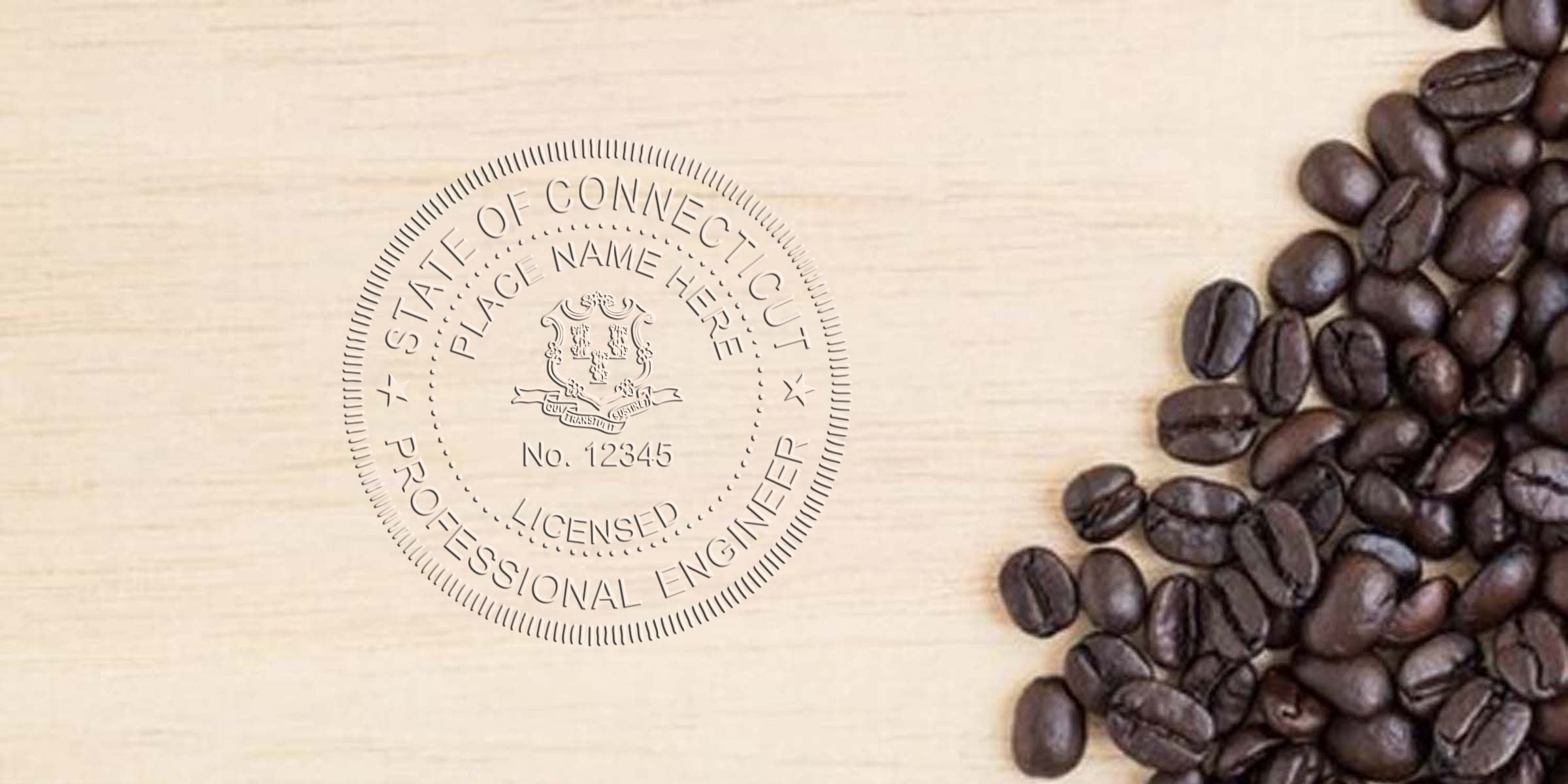
How to Properly Use the Connecticut Engineer Embossing Seal
A Connecticut engineer's seal is 1-1/2 inch in diameter and can be a rubber stamp or an embosser, and anyone licensed as both engineer and surveyor needs two separate seals. Which documents the seal goes on, and how the board expects it used.
 Made in USA
 6 Month Stamp Warranty
 Free Electronic Seals
 FAST 1 Day Turnaround
 State Board Guarantee
 Safe and Secure Shopping
Let customers speak for us
I needed my seal as soon as was reasonably possible, and after looking at 5 or 6 sellers websites, Acorn had the best turnaround time and best price. Not to mention that the image on the seal was a much higher quality than the others'. I had a proof the next day, and complimentary electronic versions for my use almost immediately after my approval. The stamp arrived when expected and I'm very pleased with it.

Great service and easy ordering
Fast service/delivery and great quality

Good Quality, Fast Delivery

Love your ink love your stamp pads. Love your custom rubber stamps. I have been a customer for 18 years and ordered 100 items.

Perfect size for doing lot numbers for our labels. Will purchase more as we grow!

Very compact and easy to use! The embossing is crisp, beautifully detailed, and looks fantastic even on thicker paper. Excellent quality!

Great
Great

Great an amazing service. Thank you!

Very quick and reliable service.

It took forever to receive my order, though I blame that on the postal service, but the product is excellent!!

The large size and large font size is perfect for me. I am not sure why there was a black residue on the stamp, however. I'm glad that I noticed it because I will be using white ink with this stamp.

I ordered my stamp on Monday and received it in the mail Wednesday, very fast service!!!
Love this stamp so much that this was my third one.


